Wednesday, 28 March 2018

Health Benefits of Hemp Seed Oil


Hemp”, a derivative of the cannabis or marijuana plant has been around for thousands of years and known to man for its medicinal properties. However, it is only now that mainstream medical organisations are taking an interest in Hemp Seed Oil commercially. In many countries, including the UK, cannabis is still an illegal drug and to those who know no better “hemp” is a dirty word. However, “hemp oil” is from the flower of the plant – not the leaf part that you can smoke.
What makes this plant so special is that it is so versatile and can be used for topical applications as well as being ingested and even vaped. By a process of washing, pressing and reduction, it is even possible to produce “hemp oil” at home or buy online from most reputable health-food stores. It can be bought in varying strengths from 1% right up to as much as 30%, which relates to the percentage of pure CBD, or Cannabinoids found in the resulting hemp oil, with CBD being the active ingredient. Commercially, available hemp oil contains none of the illegal hallucinatory THCs that make you “high”.
Hemp oil is truly a ‘superfood’! It contains amino acids, fatty acids, and globule edestin. It has anti-oxidant and anti-inflammatory properties and is easily digested. Listed below are just some of hemp oil’s health benefits.
  1. As hemp oil contains both Omega 3 and Omega 6 as well as linolic acid it makes a wonderful, non-greasy, easily absorbed skin conditioner and is useful in the treatment of acne, eczema, psoriasis and other skin conditions.
  2. It also contains ceramides which can lock in moisture and so makes it also a brilliant hair conditioner. 
  3. When used as a hormone supplement, the gamma-linolic acid (GLA), also an appetite suppressant, can help reduce pain and cramp during menstruation and additionally can help you lose weight.
  4. Due to the high levels of fatty acids in hemp oil that contain endocannabinoids, the oil helps to balance the immune system.
  5. As a brain-booster, the fatty acids in hemp oil, when taken as a dietary supplement, help our bodies to produce myelin which acts on the central nervous system and neurons.
  6. Hemp oil can help us to reduce the risk of heart disease by lowering bad cholesterol and keeping our arteries clear. It also contains an anti-clotting agent so it could also be useful in helping to prevent strokes and heart attacks.
  7. Improving our immune systems using hemp oil also helps us to reduce pain from arthritis due to its anti-inflammatory properties.
  8. Hemp oil is rich in Vitamin E which helps to keep us healthy and feel young by reducing the anti-oxidants in our DNA.
  9. The Omega 3 and endocannabinoids in hemp oil can also produce beneficial effects for sufferers of bipolar disorder, attention deficit disorder (ADD), depression and anxiety.
  10. It has also been suggested that hemp oil can ease the symptoms of many other diseases such as diabetes, multiple sclerosis, asthma, epilepsy, atherosclerosis, and psoriasis.
By far the most controversial claims to date have been that hemp oil can potentially be used to cure certain types of cancer. It has been claimed to have cured many people with all types of cancer from skin cancers, brain tumours, breast and prostate cancers.

There is still much research to be done into this but even Cancer Research UK acknowledge that they “have funded research into cannabinoids in the past and if any future cannabinoid research proposals meet” their “high research standards then there is no reason why they would not be funded” but that, as yet, their “lab research conducted into cannabinoids have not been conclusive enough to say that they can effectively treat cancer patients at the moment”.
The debate continues but, having had personal experience of the effects of using hemp oil balm on external cancer, I can categorically state that it worked and significantly reduced the spread of the cancer cells.

As a food supplement, hemp oil contains a complete source of protein and is ideal for use by vegans and vegetarians. However what you might not know is that is it also a great lubricant and when mixed with lemon oil makes a fantastic varnish for wood!
With all of its wonderful healing properties, hemp truly is one of Mother Earth’s greatest gifts to mankind. As always, make sure you inform your doctor before taking this.
Affiliate link Buy Hemp Oils Here 

Friday, 23 March 2018

Remember the "cuddle hormone" for a good night's rest!


Research has shown that having a cuddle before dropping off to sleep really can guarantee you a good night's rest, but why is this so effective and what if you don't have a cuddle partner?

Well, it seems its all about the “cuddle hormone” oxytocin – also known as the “happiness hormone”. Cuddling makes us feel happy and relaxed and our brains release oxytocin, dopamine and serotonin, all of which help to stave off depression and increase our feelings of well-being and enhance our connectedness to the person we are cuddling, improving our relationship with that person.

But even more beneficial, oxytocin also helps to increase our tolerance of pain, lowers our stress and anxiety levels, lowers our blood pressure and thereby the risk of heart disease and boosts our immune systems.

Pain reduction seems to come about from the pleasure experienced from touching and being touched during a cuddle. Swedish massage, a technique that used long gliding strokes along with firm kneading has been attributed to a lowering of cytokines that cause inflammation so it may well be worth incorporating this into your cuddle routine!

Stress and anxiety levels tend to reduce during cuddling due to the release of another hormone, cortisol from the adrenal glands. As our stress levels reduce, this in turn has a beneficial effect on our blood pressure, which is reduced, thereby taking away any strain on our hearts and thus decreasing our chances of incurring heart disease.

Our immune systems are boosted by the release of chemicals into our bloodstreams and this helps us to fight infection and stay healthier for longer.

So, for a good night's sleep, take time out for a cuddle before you go to bed and if you don't have a cuddle partner, then cuddle your pet dog or cat and if that's not a possibility, a massage or even a warm bath before bed can make a difference.

You know it makes sense!


Check out the range of "cuddle chairs" on eBay. Affiliate link here

Thursday, 22 March 2018

RIP Dad - A Tribute from Your Daughter


RIP Dad

Over 55 years ago my sister Jane and I lost our Daddy for the first time. Jane was too young to remember him but I did and I struggled to recover from the loss. Three years later, Mum met “Uncle Ken”. I remember the first time we met him. Mum had arranged to pick him up at the side of the road but drove straight past him and we had to point him out to her. He was slightly bemused by the time she eventually picked him up!

Uncle Ken” was, in my eyes, an interesting man...and clever! He could tie his shoelaces with only one hand and he could eat with using just a fork! Jane tried to copy him once and ended up throwing her peas all over the kitchen floor, much to mum's annoyance!
I remember being really impressed that he was a Scout Master and he looked very handsome in his uniform. Jane remembers him frequently chasing her down the hallway because she forgot to put her slippers on – he was always looking out for us in the best way he could.

In spite of his disabilities, he could ride a bike and drive a car and it was never an issue to him. In fact, Uncle Jim, his brother, remembers him as a teenager on a long cycle trip to Filey from Wigan. On the way back, his brakes failed and they had to find an uphill road to slow him down! It can't be easy trying to stop a runaway bike with only one good hand.

After a couple of years Mum agreed to marry him. “Uncle Ken” asked us if he could adopt us as his own. We all agreed, and so, “Uncle Ken” became “Dad”. He was a great role model. He taught us to dance and to enjoy peanut butter and blackcurrant jam butties, and he took us away on exciting holidays where we made many new friends. The highlights for me were the midnight walks hunting for glow-worms!

Growing up with a new Dad was a challenge for me! I didn't accept him as readily as Jane did and I could be quite feisty! But, in all that time we only ever had one really bad fallout. Dad always insisted on us being home by midnight and I was late getting in. We had a massive row and I called him some terrible names and told him he wasn't my Dad.

The following day Mum told me how upset he was and I felt terribly guilty and apologised to him. He forgave me but it took me many years to forgive myself.

After Jane and I had left home and Mum and Dad were both retired they went off on many wonderful holidays all over the world and no-one can say that they didn't live life to the full. Dad was also blessed with four grandchildren, Kris, Mathew, Adam and Katie, and a whole troop of great-grandchildren of whom he was very proud.

Dad hated bad language! In the 52 years they were together, Mum says Dad never, ever swore..even when it hurt! I remember when we were sat together watching TV it was three strikes and then OFF! We used to sit there with bated breath hoping that the people on the telly wouldn't swear! Eventually,Jane got so used to him saying “turn it off” that she wouldn't bother to wait for him to say it!

We almost lost Dad a couple of years ago and it was a difficult time for all of us, not least Mum, but we were all so proud when he defied all the medics by making an almost complete recovery. They said he would never walk again, but he did! And the result was a few more years of life to share with Mum and the rest of us.

Dad was a truly remarkable man! He was totally genuine, humble and compassionate, wearing his heart on his sleeve. He never got angry, despite the frustrations of being ill. He cried a lot in his later years, even when he was laughing, or especially if someone had done an act of kindness for him, or told him a sad story. Whenever he celebrated his birthdays he always said he was 39 again and Jane made him a cake with it on for his 80th...and he cried.

Our Dad , was one of the nicest, true gentlemen you could ever hope to meet. Generous and kind. So kind in fact that once, as a child, his friend couldn't go out to play because he needed a hair cut, so, instead of waiting for his friend's mum to do it – HE did it! Needless to say, his friend's mum was not impressed!

We'll all miss him terribly, but can take comfort in knowing that he lived a good life, full of love and happiness and when his time came, it was so quick he didn't even know it.

Goodbye Dad, go on your way with love. Thank you for everything you were and for everything you did for us. We will never forget you.


Saturday, 17 March 2018

Your Health - Your HIppocampus - What Is It?

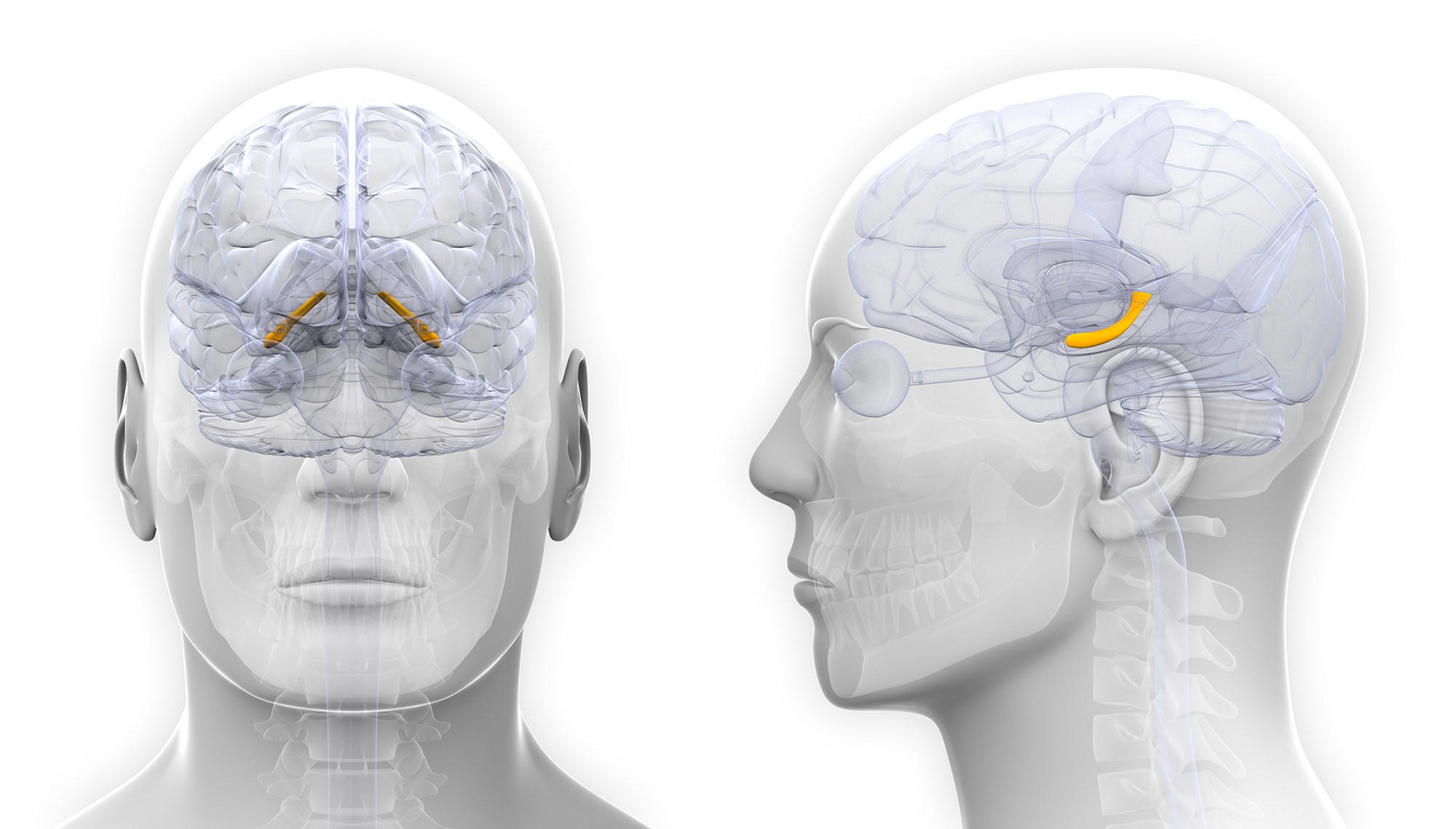
No, it’s not a school for hippos! The hippocampus is a relatively tiny organ located in the brain in the region corresponding to emotions and plays a role in long-term memory storage and functions. It is part of the limbic system that controls many of our bodily functions and can be found in the temporal lobe near to the centre of the brain. All of our past memories and experiences are stored there.
Exercise can help to keep the hippocampus fit and prevent it from shrinking –as it shrinks our memories decline, as in Alzheimers and Dementia. If we were unable to create new memories, as is the case with these two diseases, we would be stuck in the past, rather like replaying old videos, over and over again, because there is no room to store new ones.
Also, when the hippocampus starts to shrink, it can lead to the onset of schizophrenia, depression and bipolar disorder. However, all is not lost as new treatments are available that can help to reverse the shrinkage and create brand new brain cells. The process is called neurogenesis.
What can we do to protect and help regenerate the hippocampus and reduce our chances of acquiring dementia or other serious ailments in later life?
Silence is Golden – recent studies have shown that spending two hours per day in absolute silence can help to stimulate neurogenesis. This results in lower stress levels, a greater ability to focus and more creativity.
The World Health Organisation (WHO) reported in 2011 that Western Europeans (population 340 million) every year lost as many as one million years of healthy life due to noise. If we can cut out noise pollution this will help to release tension in our brains and bodies and our blood pressure will reduce thus lowering the likelihood of heart attacks.
Silence allows us to become more imaginative and creative by blocking out all those distracting audio inputs and external stimuli that can ultimately lead to insomnia, increased weight gain and heart disease.
So, to keep your hippocampus healthy, find yourself a tranquil spot away from the hustle and bustle of daily life and bask in the silence whenever you can.

Sunday, 11 March 2018

Gum Disease and Your Health


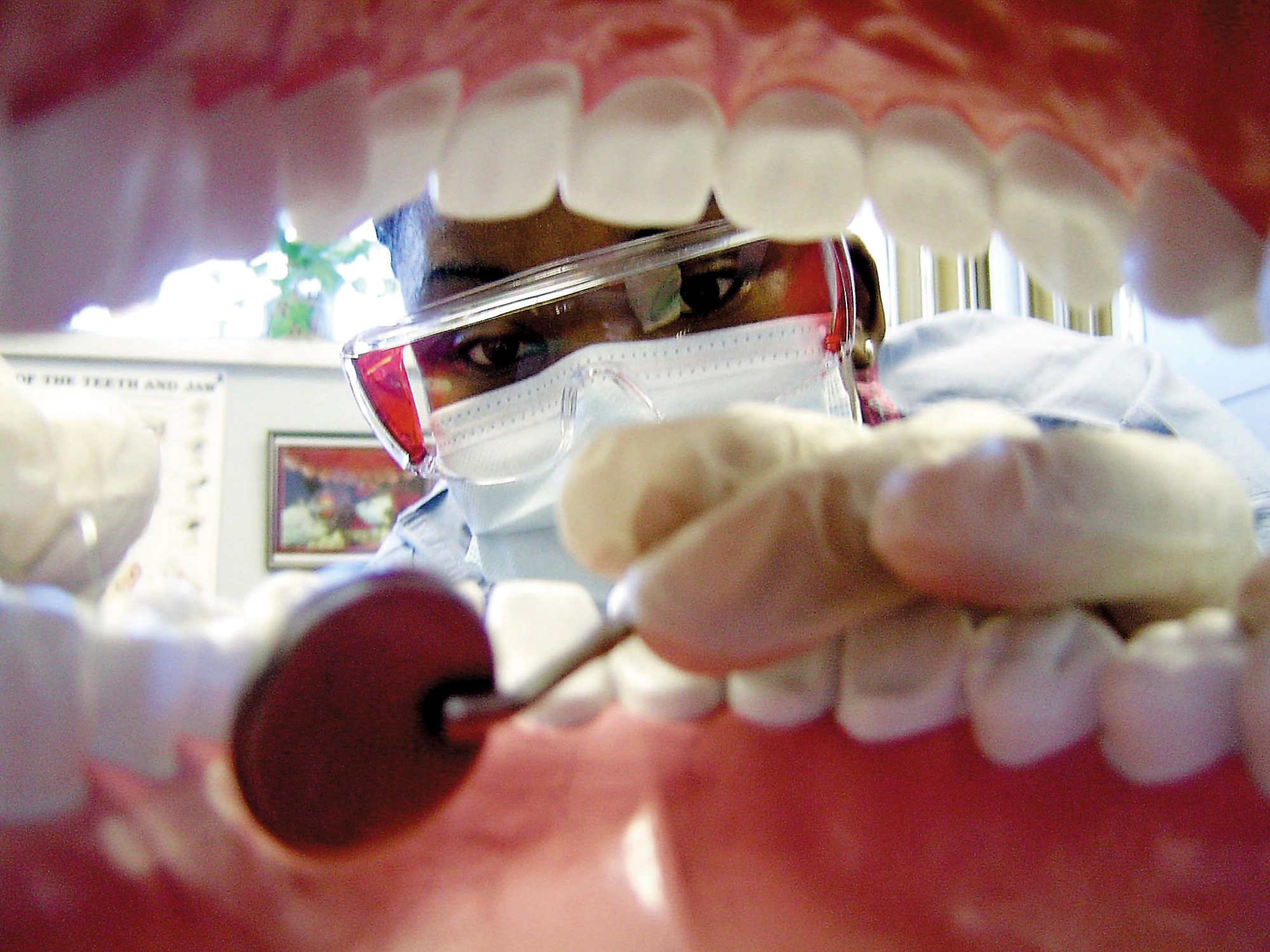
Your mouth is one of the worst areas of your body for harbouring bacteria. Most of these 500 or so bacteria won’t harm you if you maintain a healthy oral regime but if you don’t, all kinds of illnesses can develop, as your teeth and gums begin to break down.
The earliest signs of trouble are obvious to your dentist. They will notice cavities in the teeth and receding gums that are caused by gum disease. This is caused by a build-up of plaque – a yellowish substance that sticks to your teeth and gums and causes infection. The bacteria in plaque can attack the enamel in your teeth and create holes. If not caught in time this can lead to periodontal disease which in turn results in teeth becoming loose and dropping out, due to the underlying damage to the bones that support your teeth.
One of the main forms of gum disease is Gingivitis which results in infection and swollen gums. Generally, the gums are dark red in colour rather than a healthy pink and breath can smell bad, known as halitosis. It is caused by particles of food getting stuck between the teeth and giving off, amongst other chemicals, hydrogen sulphide. Regular flossing can help to remove these particles and should be done every day.
If you have gum disease then harmful bacteria can enter your bloodstream via your mouth and depending on your immune system, can create many medical conditions and problems, which can actually reduce your immune system’s ability to protect you from serious infections.
Consumer Notice: This is an affiliate ad supported blog. That means if you buy something from a link or ad on this site, or based on my recommendation, either expressed or implied, I may get paid an affiliate commission. Helps to pay the bills.


ght in time this can lead to periodontal disease and you could find your teeth dropping out because of underlying damage to the bones that support your teeth.

One of the main forms of gum disease is Gingivitis which results in infection and sore a swollen gums. Generally the gums are dark red in colour rather than a healthy pink and the breath can small bad. This is known as halitosis and it is caused by particles of food getting stuck between the teeth and giving off hydrogen sulphide amongst other chemicals. Regular flossing can help to remove these particles and you should floss your teeth every day.

If you have gum disease then it is highly likely that harmful bacteria can enter your bloodstream via your mouth and this can cause all kinds of medical conditions and problems, depending on how good your immune system is working. Certain medical conditions and treatments can reduce your immune systems ability to protect you from serious infections. For example, chemotherapy for cancer is known to reduce the immune systems ability to fight infection.

Here are just some of the medical conditions that have proven links to gum disease and bad oral hygiene.

Heart disease – due to narrowing of the arteries caused by a build-up of bacteria and plaque. Also, as the bacteria has a clotting agent this can cause both heart attacked and stroke.

Endocarditis – caused by bacteria getting into the inner lining of the heart and valves causing serious infection of the heart.

    is really quite simple to improve your dental hygiene.

All you need to do, as well as visiting your dentist twice a year, is to brush your teeth and gums at least twice a day and floss regularly. Use mouthwash to help keep bacteria and bad breath at bay, avoid sugary foods and try to give up smoking.

Surely it's worth it for a healthier future!

Monday, 19 February 2018

The NHS When Things Go Badly Wrong - Isn’t it time you made your Will?

My 71 year old partner, Jim, lost his mother to cancer in November 2017. She was 95 years old and suffered from a rare sarcoma on her arm. Jim had been her carer for 18 years and was devastated when she passed away.
Photo by Natanael Melchor on Unsplash
Two weeks ago, after suffering from severe congestion and a terrible cough, he went to his doctor for advice. We suspected C.O.P.D. and the doctor concurred. She sent him for a chest x-ray, which was very quickly followed by a scan. The results of the scan showed two areas that the consultant said were most probably cancer.
That diagnosis was scary enough but what happened next almost took his life much faster than any of us could have predicted.
He was asked to go to hospital as a day patient for a routine biopsy on his lung and when I left him he was in good spirits. I was told he would probably be ready for home within a couple of hours. When I rang 2 hours later I was told that he was still in surgery, but thought nothing of it because the ward was busy and there were a lot of people waiting for similar procedures.
After 5 hours has passed, Jim rang me and he sounded weary! He explained to me that they were keeping him in hospital for at least five days because something had gone wrong during his operation.
I rushed over and was shocked to see him looking grey and ashen in bed with a tube coming out of his left hand side ribs and wearing an oxygen mask. He told me that he was in a lot of pain and that he felt like he had an alien inside his chest trying to break out. He had been given morphine to help alleviate the pain.
It transpired that during the procedure, after taking a series of biopsies, something went wrong and Jim ended up with a life threatening collapsed lung (tension pnuemothorax). This is caused when air enters the space between the chest wall and the lung (pleural space). He was unable to breathe and was immediately rushed into A&E where he had to be recusitated by having an emergency decompression catheter forced into his lungs through his ribcage to relieve the build-up of pressure on his lung and re-inflate it. Details of this life-saving procedure can be found here. https://goo.gl/izbKs2
The surgeon who performed the biopsy informed us that she had done 1,000's of these procedures over the years and this was the first time anything like this had happened.
When I visited him the day after, he was confused and kept insisting he was at home saying he wanted to go outside for some fresh air but they wouldn’t let him. The nurses informed me that he was “very poorly” and that they were concerned at his confusion and asked me if he was normally this way. I told them most definitely not but I thought it was a combination of the shock, lack of sleep for 72 hours and of course, the medication.
Thankfully, the following day, after accidentally removing his own tube and whilst waiting for it to be re-fitted, but definitely no longer in pain, he seemed to be improving and on my second visit, the tube had been re-inserted but it was much smaller than previously so not as invasive and Jim was feeling much better. I was grateful to note that he was back to being “Mr Grumpy” again!
It looks as if he may be able to come home later today. The fluid that was coming out of his lungs seems to have cleared up so most likely the tube can come out and assuming that his chest x-ray is showing that his lungs are clear, hopefully they’ll send him home to recover.
The moral of this story is: never assume that a routine procedure can’t go terribly wrong. 99% of the time everything goes fine but if you are unlucky enough to be in the 1%, be prepared to spend some time in hospital and make your will today just in case!
Whilst we are not happy that Jim was knocking at death’s door due to an NHS mistake, I must make it clear that he could not have had better care whilst in hospital. The doctors and nurses were amazing — nothing was too much trouble for them.
Jim’s next hurdle will come in a week’s time when we find out the results of the biopsies. Until then, I am just grateful to still have him around for a while longer!
You can also read this article on Medium

Saturday, 11 November 2017

Sylvia, Hemp Oil Balm and the NHS - The Final Part

Obituary:

It is with a heavy heart that I have to inform you all that Sylvia Veronica Snape, aged 95 years, passed away, peacefully on Tuesday 7th November. RIP. We will celebrate her life and she will be laid to rest with her father and her brother on Tuesday 21st November. Service 10am at St Mary's Church in Chorley. All welcome.

James, her son, had been caring for Sylvia at home with support from Lancashire County Social Care Services and the District nurses. Whilst Jim was grateful for this support he was still extremely frustrated that they still refused to let him take any part in the treatment of her arm.

Between the two of us we had managed to get her eating again and she was slowly putting on weight but caring for her was taking a heavy toll on Jim's physical and mental well-being and the Social Worker had suggested that Sylvia be placed in respite care, temporarily, to give him time to recuperate. It was a difficult decision for him to make as he had always promised her that he would never put her into a nursing home, but he eventually agreed that it would be for the best and arrangements were made for her to go into a home for a period of one month.(Read Part 4 here)

She went into the nursing home on Monday 23rd October. During the first week, despite being very weak and totally dependent, she was eating well and everything seemed to be going to plan. At the beginning of the second week the home's doctor telephoned to discuss her medication and suggested that she was in a lot of pain and that he was considering increasing the dosage of the pain medication patches from 10mg to 12mg. We explained that when on higher doses of medication, Sylvia's cognitive abilities were significantly reduced and he agreed to monitor her closely.

At the end of week two, we were advised that she had stopped eating and that she was staying in bed instead of getting up. We went to the nursing home to visit her on Monday 6th November and it was obvious that she was on the increased pain patch and we were advised that she was also on morphine as her pain had increased to an intolerable level. She was very agitated and unable to communicate but managed to tell Jim that she loved him. Jim suggested to the nursing staff that the reason she had stopped eating was probably because she was on high doses of medication due to the pain in her arm caused by the extremely tight dressing on it, but they said that, in their opinion, it was best to keep her on it. They advised us that she was at the end of life stage and would probably die within a few days. Jim was devastated! We called her family members in so that they could say their goodbyes.

On the Tuesday wes received a call from the nursing home suggesting that we go over quickly because her condition had deteriorated. She was very still and appeared to be quite peaceful but it seemed that she didn't know we were there. Jim spent over an hour holding her and talking to her and then she suddenly smiled and shortly afterwards she took her last breath.

She is now resting in the funeral home and we are making the necessary arrangements, amongst which was to pick up the medical notice for the death cert. It stated that she had died from the sarcoma on her arm – not natural causes, which seems a bit strange when the hosptial consultant had reassured us all that the cancer would not kill her. Old age, probably, but not the cancer!

What killed Sylvia, in our opinion, was the unwarranted interference from the local GP surgery, the unnecessary intervention of the Social Sevices “Safeguarding” Team, her lack of proper “care” whilst in hospital and finally, an overdose of pain medication in her final days!

Yes, there is no doubt that Sylvia wanted to die and had desired this since fist being diagnosed with the cancer five years ago. She is now out of pain and with her God in Heaven which is what, as a devout Roman Catholic, she truly believed in.

But please, let this be an alarm call to all of us. Hemp oil is a legal and highly effective nutritional supplement and it should be recognised as such by the Government and the NHS. The only reason it is not is because of money and profits.

More research needs to be done into its use as a medicine to ascertain correct dosage levels for specific illnesses but in honour of his Mum, Jim has vowed to take up the mantle and fight for the human rights of people like Sylvia to be treated with this amazing plant and to disseminate the knowledge of its healing properties.


Hemp, as a natural medicinal alternative to drugs, could save the NHS millions and also save lives!

For more info on Hemp Oil or to make a purchase follow this link http://lddy.no/3huk
Consumer Notice: This is an affiliate ad supported blog. That means if you buy something from a link or ad on this site, or based on my recommendation, either expressed or implied, I may get paid an affiliate commission. Helps to pay the bills.
Follow me on Blogarama